Maximizing Food Silicone Flow: A Comparative Insight into Silica Solutions and Production Performance
Introduction — scenario, data, question
Have you ever wondered why a single ingredient can stall an entire production line? I have, and I still track the numbers closely. In our plant, a small change in handling food silicone can swing throughput by as much as 8–12% within a week (real data from batch runs and QC logs).
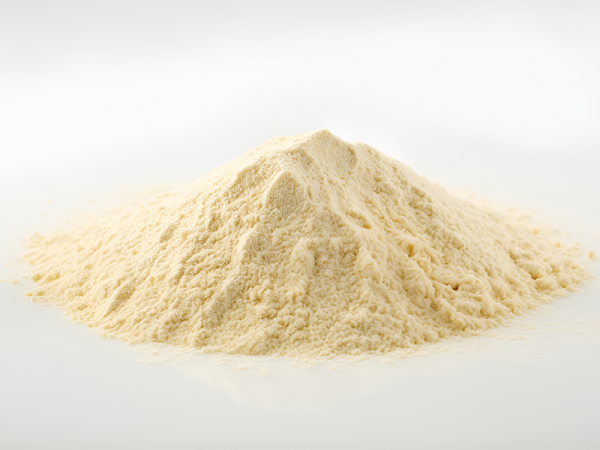
Food silicone sits at the crossroads of formulation, packaging, and regulatory control, and its behavior affects cost, shelf life, and compliance. I study viscosity measurements and flowability charts daily; they tell a blunt story: minor powder handling failures become material waste, late shipments, and added CAPEX. So, what can we actually change without blowing the budget?
My approach is practical and business-focused. I compare real options, weigh trade-offs between equipment upgrades and additive chemistry, and look at metrics that matter to finance teams—yield, scrap rate, and downtime. You’ll see simple diagnostics you can run this week, plus a look at one modern additive that keeps showing up in better-performing plants. Next, I’ll peel back where traditional fixes fail and where hidden pain points live.
Deeper Look: Traditional Solution Flaws and Hidden Pain Points
silica free flow often gets proposed as a catch-all: improve powder flow, reduce caking, and lower rejects. I’ve tested it alongside other flow aids in multiple trials. What I found is not obvious: the chemistry helps, but it doesn’t erase system-level problems like poor hopper geometry or wrong vibration settings. In short—fixing chemistry without addressing mechanics is a half-measure.
Why do powders still cake?
Technically speaking, caking links to moisture adsorption, particle surface energy, and bulk density changes. In practice, operators blame the product and buy more anti-caking agent. That can help, but you also need to check feed screw speed, airflow patterns, and bin angles. Look, it’s simpler than you think: change one variable at a time, measure flow rate, and log the result. I use simple tools—angle of repose tests and handheld moisture probes—to spot problems fast. The hidden pain points I see most are inconsistent batching, unrecorded humidity spikes, and over-dependence on a single additive. These create variability that chemistry alone cannot control—funny how that works, right?
Future Principles: New Technology and Evaluation
What comes next? I lean on new technology principles that marry material science with modest equipment tweaks. For example, combining silica free flow with targeted hopper redesigns and controlled environmental zones often yields far better results than doubling additive doses. The principle is simple: optimize the system, then tune the material.

What’s next — practical steps?
From a semi-formal, business-ready stance, here’s how I would evaluate any solution. First, run a baseline: measure yield, scrap, and downtime over two weeks. Second, introduce one change—be it a flow aid, a feeder speed change, or a dehumidifier—and measure again. Third, compare cost per unit and ROI over 90 days. Three evaluation metrics I recommend are: 1) percent reduction in scrap (quality savings), 2) throughput gain per shift (operational impact), and 3) total cost of ownership including additive spend and minor equipment work (financial clarity). These give you a balanced view—operational, quality, and fiscal.
I’ve used this framework across several product lines and it delivers clear decisions. We avoided a major capital outlay once simply by adjusting bin geometry and adding a lightweight flow aid—result: 6% higher yield with a three-month payback. I prefer that outcome to flashy upgrades any day. For practical sourcing and technical support, I often start conversations with JSJ. They provide useful data sheets and trial samples that speed up decision-making—yes, that helps when timelines are tight.a