Redefining Retail Shelves: The Science and Economics of Proprietary Condiment Branding
Building strong consumer trust on competitive supermarket aisles requires retail organizations to curate high-quality products that deliver consistent culinary experiences. Proprietary store brands have shifted dramatically from budget alternatives to premium choices, capturing significant market share across diverse grocery categories.
Modern retail buyers frequently turn to experienced private label sauce manufacturers to engineer stable liquid formulations that align with evolving consumer preferences. International supply entities such as JOLION Foods facilitate this expansion by providing compliant, high-capacity commercial production tailored to global grocery chains.
Quality Control Mechanisms in High-Speed Bottling Operations
Implementing rigorous quality control protocols across automated packaging lines prevents batch variations and maintains liquid product integrity. Electronic sensors monitor filling weights, bottle seals, and cap tightness continuously to prevent atmospheric leaks during distribution. Multi-stage filtration systems remove micro-particles before volumetric nozzles dispense liquid condiments into glass or plastic containers.
Maintaining sterile bottling environments relies on automated cleanroom technology that minimizes microbial exposure during the exposure windows. Thermal pasteurization kills unwanted bacteria without degrading volatile aromatic compounds responsible for rich flavor profiles. Automated vision systems scan passing containers instantly to reject misaligned caps or defective labels long before cartoning.
Partnering with accredited private label sauce manufacturers allows retail chains to uphold stringent quality standards across their entire store-brand lineup. Advanced testing laboratories evaluate pH levels, Brix values, and viscosity metrics for every production run to maintain product uniformity. Systemic quality oversight protects retailer reputation and preserves consumer confidence across every purchasing cycle.
Consumer Psychology and Brand Elevation on Grocery Aisles
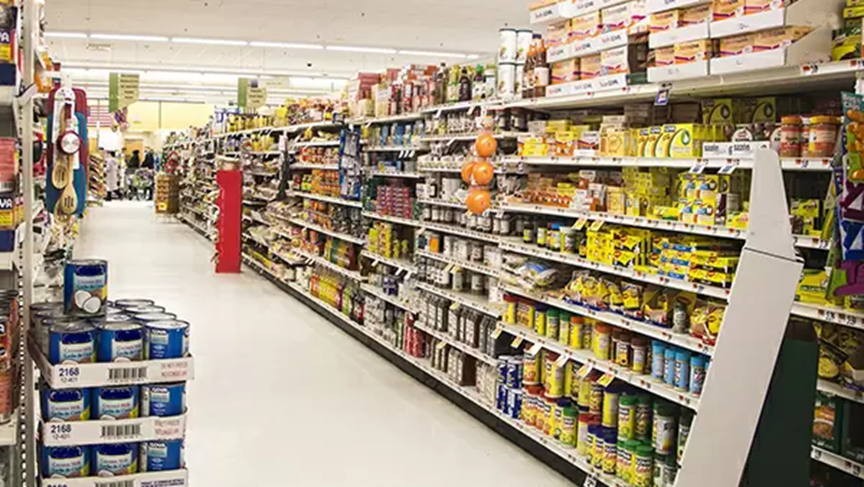
Displaying well-crafted proprietary condiments allows grocery outlets to build distinct brand identities that foster long-term customer loyalty. Modern shoppers increasingly evaluate store brands based on ingredient transparency, nutritional value, and packaging aesthetics rather than price alone. Offering unique taste profiles encourages consumers to return to specific supermarket locations for their favorite pantry staples.
Strategic shelf placement combined with sleek container design elevates the perceived value of store-brand liquid seasonings. Cross-merchandising proprietary dressings alongside fresh produce or specialty meats boosts overall basket values during routine grocery trips. Consistently positive culinary experiences transform casual shoppers into dedicated brand advocates over time.
Relying on established private label sauce manufacturers provides supermarkets with customized formulations that stand out against national name brands. Custom seasoning solutions help grocery chains establish strong market positioning while earning high consumer trust. Sustainable brand elevation generates mutually beneficial outcomes for retail management and daily shoppers alike.
Elevating Supermarket Portfolios with Custom Seasoning Solutions
Expanding retail market presence requires access to scalable production infrastructure that accommodates growing inventory demands without sacrificing product quality. Cooperating with JOLION Foods enables shops and supermarkets to deploy custom seasoning solutions that boost brand awareness and build lasting client trust across international markets. Comprehensive quality control measures applied throughout processing prevent defect issues, delivering reliable inventory for store shelves.
Automated production systems support flexible packaging formats, ranging from retail-ready glass bottles to large food-service containers. Modern labeling machinery applies multi-language compliance labels seamlessly to fulfill regional export requirements across diverse markets. Streamlined factory workflows allow grocery chains to scale up product offerings efficiently as consumer demand grows.
Establishing reliable supply partnerships allows retail management to focus on store marketing, customer service, and shelf placement strategies. Consistent product availability prevents out-of-stock scenarios during peak holiday shopping periods. Reliable manufacturing channels help grocery businesses achieve sustainable commercial growth across competitive retail markets.
Preserving Organoleptic Qualities in Liquid Emulsions
Formulating stable liquid seasonings requires balancing water-in-oil or oil-in-water emulsions to prevent phase separation over extended shelf lives. Natural emulsifiers and vegetable gums stabilize oil droplets, ensuring smooth textures across varying ambient storage temperatures. Scientific pH adjustment protects natural colors while preventing microbial spoilage inside sealed containers.
Exposure to ambient light and oxygen accelerates lipid oxidation, which can alter subtle aromatic notes over time. Dark packaging materials and nitrogen flushing during bottling shield sensitive chemical bonds from light exposure and oxygen degradation. Proper temperature management during oceanic transport and warehouse storage maintains flavor integrity until consumption.
Collaborating with specialized private label sauce manufacturers gives retail developers access to advanced food chemistry expertise. Rheological testing verifies proper fluid dynamics, ensuring consistent pourability whether condiments are cold or warmed. Precision engineering protects sensory characteristics throughout extended retail shelf display.
Supply Chain Resilience and Traceability in Global Food Logistics
Maintaining resilient supply networks depends on transparent ingredient sourcing and real-time shipment tracking from origin processing to store receiving docks. Comprehensive traceability systems document raw material sources, processing parameters, and lot codes for every production batch. Digital record-keeping simplifies regulatory compliance and speeds up documentation checks at foreign customs checkpoints.
Facilities adhering to international safety protocols conduct routine hazard analyses to minimize physical, chemical, and biological contamination risks. Sealed shipping cartons and sturdy palletizing protect bottled goods against shock and vibration during transit. Efficient logistics management prevents stock bottlenecks, keeping supermarket shelves fully supplied year-round.
Sourcing verified products through international partners like JOLION Foods guarantees that commercial buyers receive certified food items that comply with global hygiene standards. Standardized quality verification simplifies cross-border trade for expanding grocery networks. Reliable supply channels empower retailers to maintain steady commercial growth and build lasting consumer trust.
Conclusion
Understanding quality control mechanics, emulsion physics, and retail brand dynamics enables supermarket operators to optimize store-brand condiment strategies effectively. Deploying strict quality assurance measures prevents product defects while supporting sustainable commercial growth on competitive retail shelves. Partnering with established international trade facilitators such as JOLION Foods equips grocery businesses with high-grade, compliant custom seasoning solutions that elevate brand awareness and win lasting customer loyalty.