Modern-day Wall-Cladding Alternatives pertaining to Classy along with Tough Complexes
Introduction
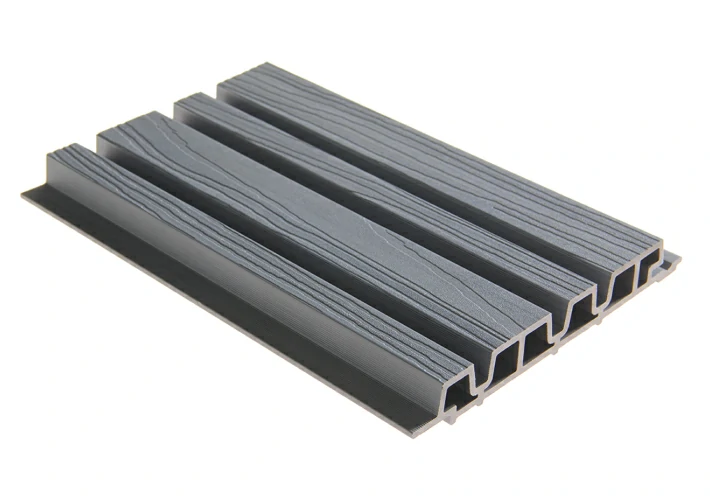
Wall-cladding has grown to be essentially the most favorite industrial answers with current structure. Whether it be some sort of housing property, job site, inn, or maybe business oriented property or home, wall-cladding helps the overall look in addition to strength of any design. composite exterior cladding The item serves to be a safety covering intended for rooms though likewise bettering the overall look of any developing. While using the escalating consentrate on trendy rooms in addition to long-lasting external surfaces safeguard, wall-cladding is actually trusted along the structure marketplace.
The technique of wall-cladding seriously isn’t completely new, although technology advances possesses unveiled state-of-the-art products in addition to resourceful types which make it more desirable in addition to realistic than previously. People currently wish houses of which besides glimpse wonderful but involve fewer repair and provides superior amount of resistance next to climatic conditions. Wall-cladding suits most of these prerequisites correctly.
What is Wall-Cladding
Wall-cladding describes the method of covering surfaces by having an additional material layer. This layer is mounted on equally inside and exterior surfaces to supply defense, warmth, and decoration. Various components are used for cladding, including wood, stone, metal, vinyl, porcelain, blend cells, and fiber cement.
The key purpose of wall-cladding is to create a shield that protects the framework from environmental damage. Rain, temperature, dust, and moisture can affect surfaces over time, resulting in fractures and fading. Cladding helps in avoiding these problems while sustaining the strength of the building.
Decorative Appeal
One of many biggest features of wall-cladding is its ornamental value. It fully improvements the looks of a property and generates a contemporary, sophisticated look. Various designs, colors, and patterns let makers to generate unique architectural styles.
Interior wall-cladding is commonly found in living rooms, resort lobbies, eateries, and company spaces. Outside cladding is common in professional buildings, villas, and modern domiciles where beauty enjoy a significant role.
Popular Materials
Various cladding components provide different benefits. The selection depends on the challenge budget, design preference, and environmental conditions.
Stone Cladding
Rock cladding offers a natural and lavish appearance. It is sturdy, weather-resistant, and ideal for exterior walls. Many homeowners prefer stone finishes since they build a classic architectural design.
Wood Cladding
Timber cladding adds warmth and elegance to decorations and exteriors. It is commonly found in modern domiciles and resorts. Wooden cells build a natural environment and improve the aesthetic attraction of surfaces significantly.
Metal Panels
Material cladding is generally found in professional and commercial buildings. Aluminum and steel cells are strong, lightweight, and immune to severe temperature conditions. These cells offer a sleek and contemporary look.
Vinyl Cladding
Vinyl is a cost-effective alternative that requires minimal maintenance. It will come in multiple colors and designs, making it suitable for residential properties. Vinyl cladding is lightweight and simple to install.
Fiber Cement
Fibre concrete cladding combines durability with modern aesthetics. It is immune to fireplace, moisture, and pests. This material is now increasingly common since it provides long-lasting efficiency with minimal preservation requirements.
Benefits of Wall-Cladding
Wall-cladding offers many realistic and aesthetic benefits for home homeowners and builders.
Weather Protection
Outside surfaces are constantly confronted with sunshine, rain, humidity, and dust. Cladding generates an additional protective buffer that decreases damage brought on by these environmental elements. This increases the lifespan of the making structure.
Improved Insulation
Wall-cladding increases thermal warmth, supporting maintain indoor temperatures more effectively. This decreases energy consumption and reduces energy costs. In cooler areas, cladding assists keep warmth, during hotter regions it keeps decorations cooler.
Low Maintenance
Many cladding components are simple to clean and maintain. Unlike decorated surfaces that could need regular repainting, cladding areas stay appealing for a long time with minimal upkeep.
Enhanced Property Value
Buildings with modern wall-cladding often have larger market value. Attractive exterior designs improve curb attraction and create a strong first effect for readers and buyers.
Sound Reduction
Particular cladding methods also improve sound insulation. This feature is particularly of good use in professional places, apartments, and urban settings where sound decrease is important.
Interior Applications
Interior wall-cladding has changed into a major design tendency in recent years. Manufacturers use cladding cells to generate feature surfaces and elegant ornamental spaces.
Living rooms frequently include bumpy stone or wooden cells behind tv units. Practices use glossy wall-cladding to generate professional interiors. Eateries and resorts install ornamental cladding to generate lavish settings that attract customers.
Wall-cladding can also be found in rooms, hallways, and reception places to add depth and personality to inside spaces. With modern manufacturing techniques, actually inexpensive components may produce premium aesthetic effects.
Exterior Applications
Outside wall-cladding is commonly used to enhance equally defense and architectural style. Contemporary domiciles frequently feature a combination of stone, wood, and metal finishes for a modern appearance.
Industrial buildings use metal blend cells since they are lightweight and durable. Shopping malls, company towers, and resorts take advantage of cladding methods that provide temperature weight and a polished aesthetic identity.
Outside cladding also assists lower preservation charges since the additional protective layer minimizes wall damage around time.
Installation Process
Correct installment is required for long-lasting wall-cladding performance. Professional installers cautiously make the wall area before applying the cladding material.
The installment process generally contains measuring the wall region, producing a help platform, solving warmth layers if essential, and connecting the cladding cells securely. Qualified installment assures correct position, ventilation, and moisture control.
Using supreme quality components and skilled professionals is very important since poor installment can affect durability and appearance.
Modern Design Trends
Contemporary architecture remains to add progressive wall-cladding trends. Smart designs with clear lines and neutral colors are still really popular. Flat finishes, bumpy areas, and mixed-material mixtures are also generally used.
Sustainable wall-cladding components are getting attention as green construction becomes more important. Recycled components and energy-efficient methods are now part of many modern making projects.
Electronic manufacturing technology in addition has widened design possibilities. Personalized patterns, 3D designs, and unique finishes let architects to generate very customized designs for clients.
Choosing the Right Option
Selecting the proper wall-cladding material depends on a few factors. Weather problems, preservation requirements, budget, and architectural fashion must all be viewed carefully.
For damp settings, moisture-resistant components are ideal. In modern professional places, metal or blend cells may be more suitable. Homeowners seeking a hot and natural appearance frequently prefer wood or stone finishes.
Consulting with skilled architects and technicians can help home homeowners choose the very best cladding solution due to their unique needs.
Conclusion
Wall-cladding is an excellent investment for equally residential and professional properties. It increases durability, improves aesthetic attraction, and offers long-term defense against environmental damage. With a wide variety of components, designs, and modern designs accessible, wall-cladding is becoming an essential element of contemporary architecture.
Whether used for decorations or fronts, wall-cladding generates elegant places that mix splendor with functionality. As construction developments continue steadily to evolve, progressive cladding methods can stay a vital feature in modern making design for many years to come.